ryo77160@gmail.com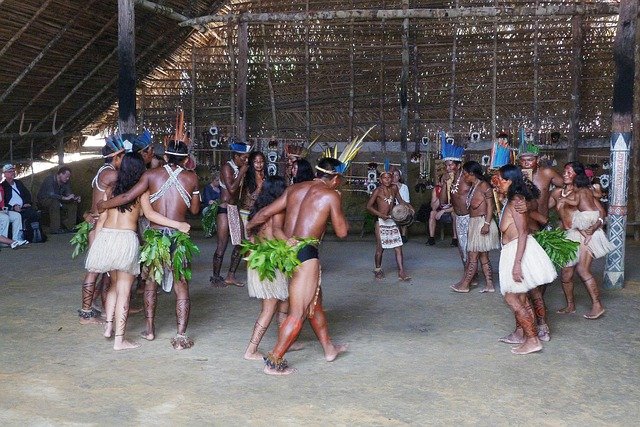
Introduction
The Amazon River is not just a river — it is a powerful symbol of life, diversity, and mystery. Winding through the heart of South America, it is the second-longest river in the world and by far the largest in terms of water volume. It flows through dense jungles, remote villages, and countless ecosystems, shaping the environment and supporting millions of species and people along the way.
Whether you’re an adventurer, a nature lover, or a curious learner, the Amazon River is one of the most fascinating natural wonders on Earth.
1. Where Is the Amazon River?
The Amazon River starts high in the Andes Mountains of Peru and travels over 6,400 kilometers (4,000 miles) before reaching the Atlantic Ocean in Brazil. Along its journey, it flows through nine countries: Peru, Brazil, Colombia, Bolivia, Ecuador, Venezuela, Guyana, Suriname, and French Guiana.
It’s not just one river — it’s a network of more than 1,100 tributaries, with some of them larger than other major rivers around the world.
2. A Giant Among Rivers
Here’s what makes the Amazon River so impressive:
- Carries more water than any other river on Earth
- Supplies 20% of the world’s fresh river water to the ocean
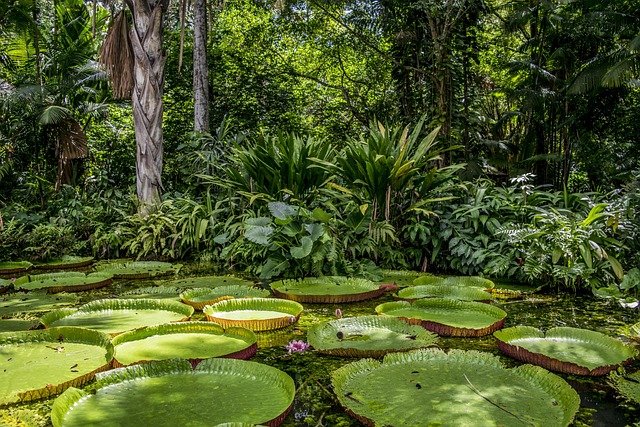
- Feeds the Amazon Rainforest, the most biodiverse place on the planet
- Home to over 3,000 species of fish, including piranhas, catfish, and the rare pink river dolphin
Its size and influence are so vast that some scientists argue it should be considered the longest river, depending on how it’s measured.
3. A River Full of Life
The Amazon River is like a moving rainforest. It’s home to an extraordinary variety of life, including:
- Pink River Dolphins: Unique and intelligent, these rare creatures are sacred in local legends.
- Manatees and Otters: Gentle herbivores and playful swimmers living in calm waters.
- Giant Anacondas: Some of the world’s largest snakes, often found in swamps near the riverbanks.
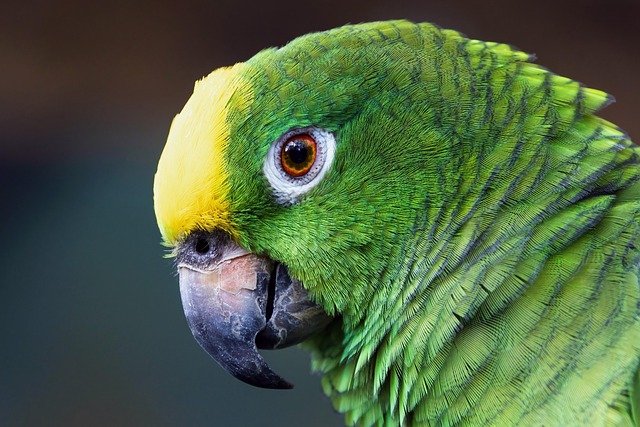
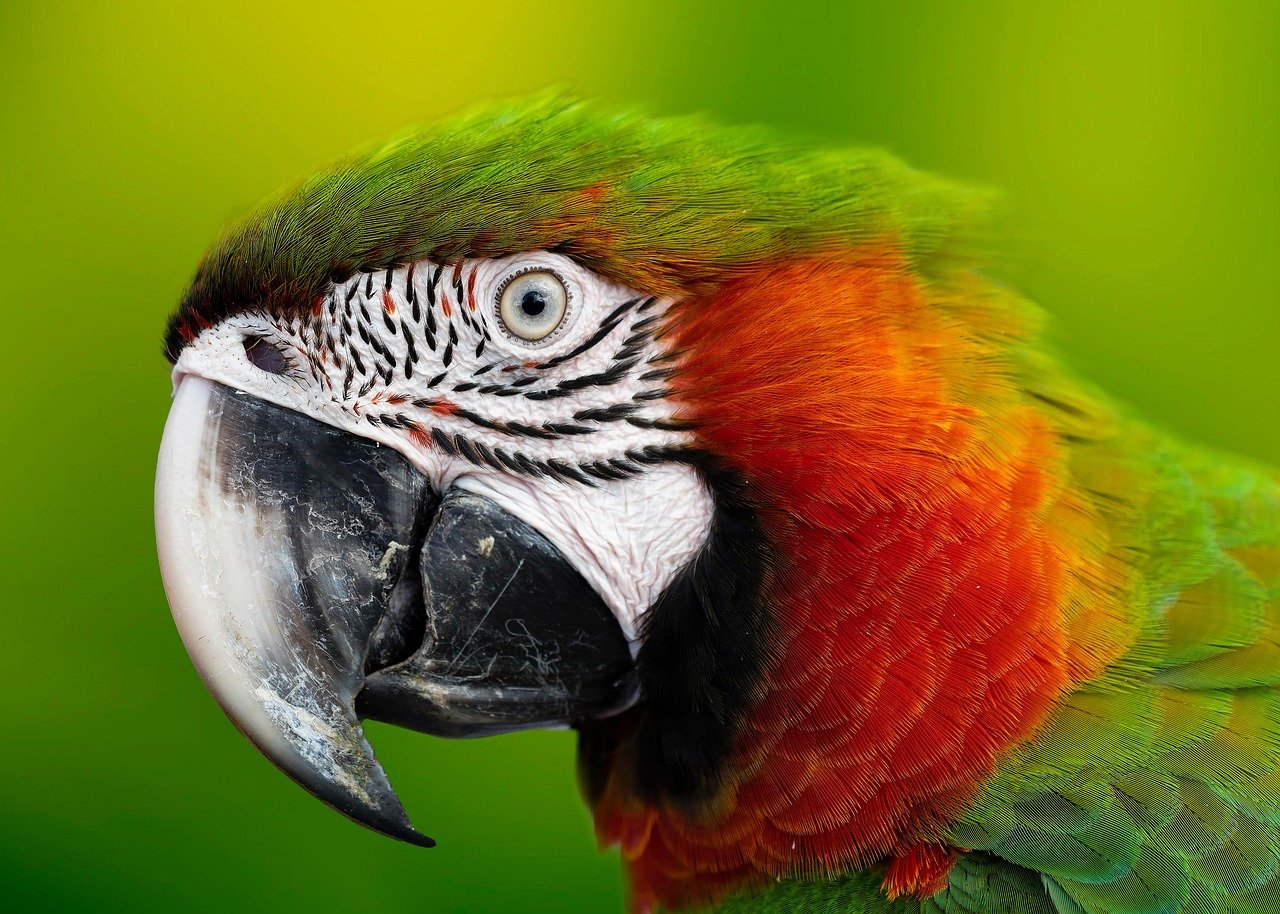
- Countless Birds, Insects, and Amphibians: From colorful macaws to poison dart frogs.
Many of the animals that live in or near the Amazon River are found nowhere else on Earth.
4. The People of the Amazon
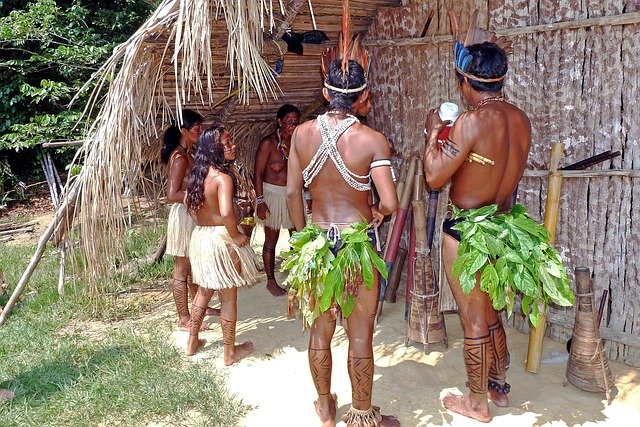
Millions of people depend on the Amazon River for drinking water, food, transport, and culture.
- Indigenous Tribes: Many groups live in traditional ways, using the river for fishing, bathing, and travel.
- River Communities (Ribeirinhos): These families live in stilt houses and rely on boats for everyday life.
- Cultural Traditions: Music, art, spiritual beliefs, and healing practices are all shaped by the river and the rainforest.
Despite facing modern challenges, these communities continue to live closely connected to nature.
5. Threats to the Amazon River
While the Amazon River is mighty, it is also vulnerable:
- Deforestation: Logging and farming are destroying the surrounding rainforest.
- Pollution: Illegal mining and waste from cities threaten water quality and wildlife.
- Climate Change: Changes in rainfall patterns are affecting river levels and flooding.
Protecting the Amazon River means protecting the planet — because this river plays a key role in balancing the Earth’s climate, air, and water systems.
6. Why the Amazon River Matters
The Amazon River is much more than just a body of water. It is:
- A natural highway for remote communities
- A sanctuary of life for plants, animals, and people
- A global treasure that supports the health of the Earth
Without it, the Amazon Rainforest would not exist — and without the rainforest, the world would lose one of its most important defenses against global warming.
Conclusion
The Amazon River is one of the most awe-inspiring places on Earth. It reminds us of nature’s power, beauty, and importance. Whether you dream of exploring it by boat, studying its creatures, or simply learning more about its wonders, the Amazon River offers endless inspiration.
Let us admire, respect, and protect this great river — because its survival is deeply connected to ours.